

Why Are Enterprises Outsourcing Creative, and Crushing It?
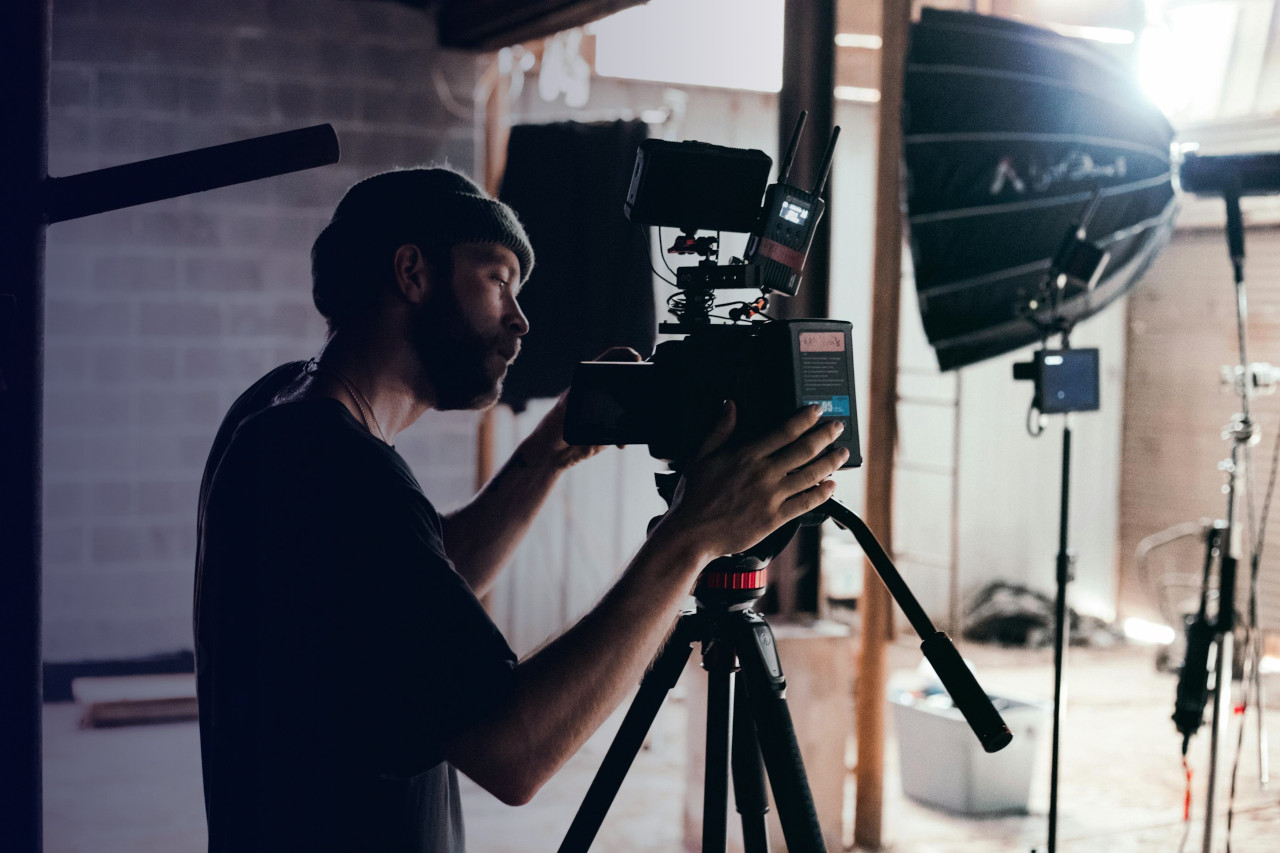
In-house content studios at large enterprises are being asked to deliver more work, in more formats, for more markets (often without a matching increase in budget or headcount). As pressure mounts on cost, speed and quality, leading brands are quietly redesigning how they resource creative work.
In this interview, we explore how one Senior Production Lead within a global consumer brand navigated this shift, from building the initial team to working hand-in-hand with external specialists.
What pressures are in-house content studios facing today?
The biggest pressure is volume versus capacity. Internal teams are often fully engaged, so new briefs may need to be scheduled alongside existing priorities, especially when plans change mid-year and new campaigns appear outside the agreed scope.
For large brands, three constraints tend to collide:
Limited internal headcount versus rising demand for content across markets and channels
Budgets that need to stretch across both “always-on” content and flagship campaigns
Annual planning commitments mean work agreed at the start of the year takes priority, and new in-year requests need to be assessed against existing capacity and may require a different route to execution.
When does it make sense to bring in external creatives?
The tipping point usually comes when internal creatives are overloaded with multiple complex projects each. At that stage, creative studios want to keep strategy and core creative thinking in-house, but outsource execution.
Typical triggers to bring in external support include:
Large or complex shoots where the idea and treatment are developed in-house, but production and post-production are better handled externally
Projects that fall outside the agreed annual scope or hit the team unexpectedly
Work that is necessary but not strategically critical, where internal time is better spent on higher-impact initiatives
The most effective model is often: in-house teams own the idea and the brand; external partners provide scalable, specialist hands-on capacity.
What advantages do curated talent platforms offer procurement and marketing?
From a procurement and marketing perspective, structured platforms for external creatives can remove a lot of friction compared to one to one freelance relationships.
Key advantages include:
Faster sourcing for niche roles (e.g. drone operators, specialist DPs, high-end retouchers, animators, AI content specialists, UGC creators)
A single accountable partner managing contracts, onboarding and quality control
Centralized visibility on portfolios, day rates and locations
Significant time savings for internal teams who would otherwise spend hours or days searching, vetting and coordinating individuals across markets
Reduced risk, as an intermediary provides an additional layer of oversight throughout delivery
This model allows large brands to combine the stability of an internal studio with the flexibility of an external network.
Which skills are most effective to source externally?
The sweet spot for external talent is highly specialized or high-volume execution work:
Production roles: camera operators, second shooters, drone operators, photographers
Post-production: editors, retouchers, motion designers, animators
Emerging skills: AI-assisted content producers, technical specialists who blend live action with AI optimisation
UGC / creator content: authentic, platform-native creators for TikTok and other social channels
Internal teams typically retain responsibility for creative direction and brand stewardship, while external specialists bring depth in specific crafts or emerging techniques.
What trends will shape in-house creative models in 2026 and beyond?
Several shifts are already visible in large brand content studios:
Creator and UGC content growth
Brands are reallocating spend toward creator-led and UGC-style content, especially for younger audiences and channels like TikTok. Authenticity and relatability often outperform polished, traditional advertising.AI as a production accelerator
Studios are experimenting with AI to speed up elements of production and post-production, while still relying on human creatives for brand, story and quality control.Stricter regulations and “brand-first” storytelling
Regulatory changes in certain categories are pushing brands from overt product focus toward broader brand narratives, especially in digital environments. This increases the need for partners who understand both compliance and culture.Local nuance with global consistency
Global brands need to keep a consistent voice while adapting to local markets. Local insight (sometimes via local freelancers) combined with a central in-house team is becoming the operational norm.
What does a balanced in-house/external model look like for large enterprises?
For enterprises with complex portfolios and multiple markets, the emerging “new creative model” looks like this:
A strong internal content studio or in-house agency that owns brand understanding, creative direction and key stakeholder relationships
A flexible layer of external creatives and partners that can be scaled up or down by project, market and capability need
Procurement and marketing procurement acting as architects of this ecosystem: selecting platforms, setting standards, and ensuring cost, risk and quality are all managed
As content demands continue to rise, the most resilient brands will be those that build flexible, well-governed creative ecosystems, where in-house expertise and external talent work together to deliver more, and deliver it better.
What would a specialised creative bench look like for you?
Explore how Proteams can help you build a scalable, compliant network of external specialists.